

Quick Summary
Gym equipment durability is the ability of commercial equipment to keep performing safely and consistently under heavy, repeated use over years. It depends on frame strength, weld quality, wear parts, and how easily worn components can be replaced. Expected service life varies by equipment type and usage intensity, so plan replacements around actual use.
- Judge durability by peak load, everyday wear resistance, and how quickly worn parts can be replaced.
- Cardio machines often need scheduled belt and deck replacement; strength machines show age through frame fatigue and worn cables.
- Heavy-use treadmills may last only 3 to 5 years, while plate-loaded machines can last 8 to 12 years.
- Log inspections, repairs, and replacements for each machine to catch problems before they cause failures.
- Compare candidates on cost per year of service, not purchase price alone.
Table of Contents
- What Commercial Gym Equipment Durability Really Means
- Commercial Gym Equipment Lifespan by Equipment Type
- Frame Construction, Materials, and Finishes That Affect Longevity
- Commercial Gym Equipment Maintenance Checklist
- Choosing Durable Equipment for Your Next Purchase
- Frequently Asked Questions
What Commercial Gym Equipment Durability Really Means
Commercial gym equipment durability is the ability of a machine, bench, or rack to keep performing safely and consistently under heavy, repeated use over years, not months.
Durability is not one number. It combines frame strength, the quality of welds and joints, the protective finish, the wear points like cables, pulleys, upholstery, and bearings, and how easy the equipment is to inspect and service.
We recommend judging durability across three questions: how the equipment holds up under peak load, how it resists everyday wear, and how quickly a worn part can be replaced. The sections below walk through each of these, starting with expected lifespan by equipment type.
Commercial Gym Equipment Lifespan by Equipment Type
Lifespan depends heavily on what the machine does and how often it moves. Cardio machines and strength machines age differently, and within each category, usage intensity matters as much as build quality. The most useful way to plan is to pair an expected service-life range with the usage tier your facility actually operates at, then budget replacements and wear parts against that number rather than against the purchase date.
Cardio equipment versus strength equipment
Cardio machines such as treadmills, ellipticals, and bikes carry a steady stream of repetitive motion.
Strength equipment works differently. Plate-loaded machines, selectorized stacks, and benches depend on frame rigidity, weld integrity, cable or chain condition, and upholstery.
A practical rule: cardio equipment often needs more scheduled component replacement, while strength equipment more often shows its age through frame fatigue and worn cables.
Expected service life by equipment type and usage tier
Use these ranges as planning benchmarks, not guarantees. They assume commercial-rated equipment, a documented maintenance routine, and replacement of wear parts on schedule. A facility that skips maintenance should expect the low end of each range or less.
| Equipment type | Light use (under ~4 hours/day) | Moderate use (~4-10 hours/day) | Heavy use (10+ hours/day or class-driven) |
|---|---|---|---|
| Treadmill | 7-10 years | 5-7 years | 3-5 years |
| Elliptical | 8-10 years | 6-8 years | 4-6 years |
| Upright or recumbent bike | 8-12 years | 6-9 years | 4-6 years |
| Selectorized strength machine | 10-15 years | 8-12 years | 6-10 years |
| Plate-loaded machine | 12-20 years | 10-15 years | 8-12 years |
| Power rack or squat stand | 15-25 years | 12-20 years | 10-15 years |
| Benches | 10-15 years | 8-12 years | 5-8 years |
| Free weights (dumbbells, plates) | 15-25 years | 12-20 years | 8-15 years |
Heavy use (10+ hours/day or class-driven)
Wear parts such as belts, decks, cables, and upholstery generally age faster than the frame, so budget for them separately from the machine's replacement cost.
Usage intensity and how it changes service life
Two identical machines can have very different lifespans depending on use. A treadmill in a boutique studio running classes all day will reach the end of its deck life far sooner than one in a corporate wellness room used a few hours a week. Heavy strength machines in a high-traffic gym face the same issue: cable fatigue and pad wear accelerate with every cycle.
When estimating service life, consider hours of use per day, number of users, typical user weight and training style, and whether the equipment is moved, dropped, or cleaned with harsh chemicals.
Track usage hours and cable or belt cycles rather than relying on the purchase date alone, since heavy use can wear a machine out sooner than its age suggests.
Frame Construction, Materials, and Finishes That Affect Longevity
The frame is the foundation of durability. Look for thick-gauge steel tubing, full-length welds at stress points, and clean, consistent welding with no visible gaps or cracks.
Material and finish matter for corrosion and surface wear. Powder-coated steel resists chipping and rust better than painted surfaces, and chrome finishes can hold up well in dry environments but may show wear in humid or high-sweat areas.
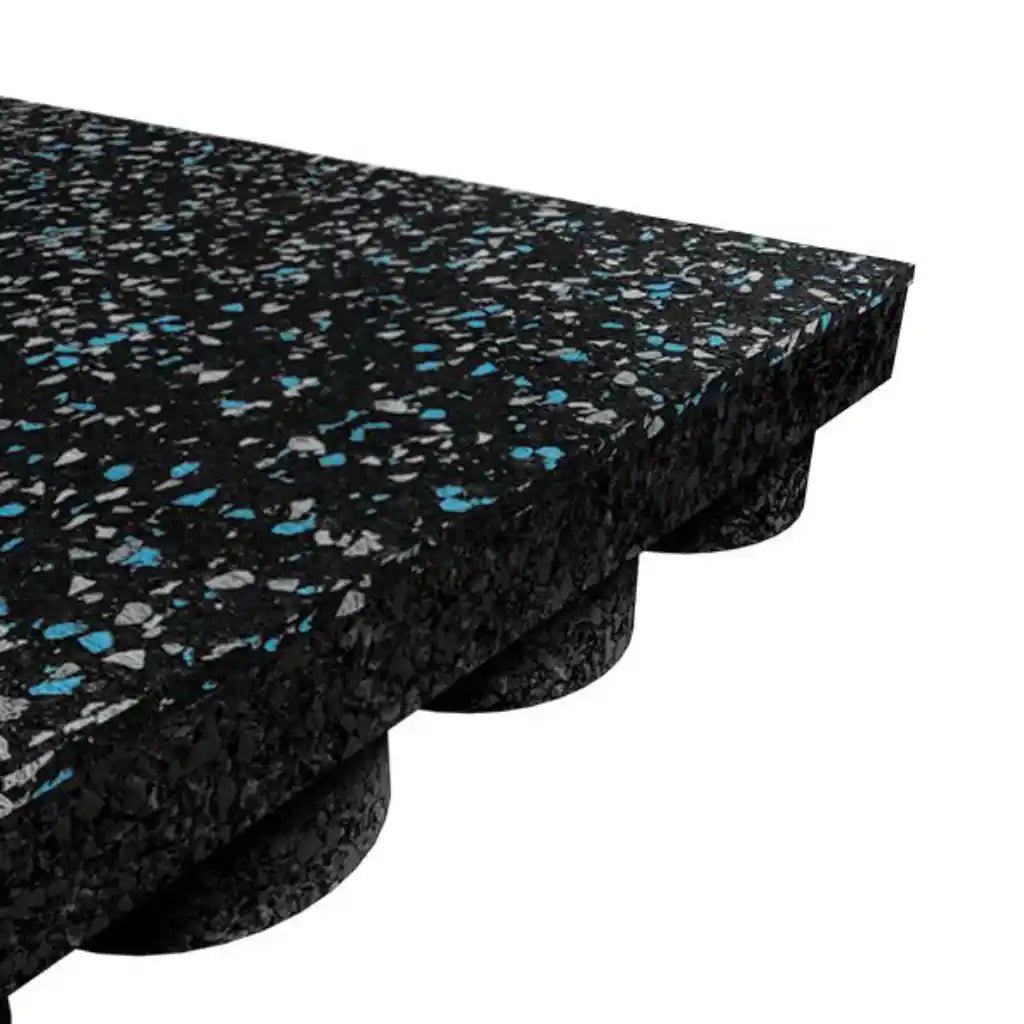
Floor protection affects equipment life as well. The Ecore 22.5mm Vulcanized Rubber Gym Flooring is designed for heavy strength training and is built to protect subfloors and equipment under demanding use. The Ecore 25.4mm Molded Tile Gym Flooring is engineered for repeated heavy weight drops, a useful consideration for free weight areas.

Commercial Gym Equipment Maintenance Checklist
Routine maintenance is the most controllable factor in equipment lifespan. A simple, consistent schedule catches small problems before they become failures.
Build your checklist around these checks:
- Daily: Wipe down high-contact surfaces with an appropriate disinfectant, check for loose pins or obvious damage, and remove debris from tracks and rails.
- Weekly: Inspect cables, straps, and chains for fraying or stretching; check bolts and pivot points for looseness; test emergency stops and safety features.
- Monthly: Lubricate moving parts as the manufacturer specifies, inspect upholstery seams, and check that adjustable components lock securely.
Keep a written log for each piece of equipment. A consistent log also makes it easier to verify equipment quality over time, with Metanoia media offering a useful next step in assessing what deserves closer inspection.
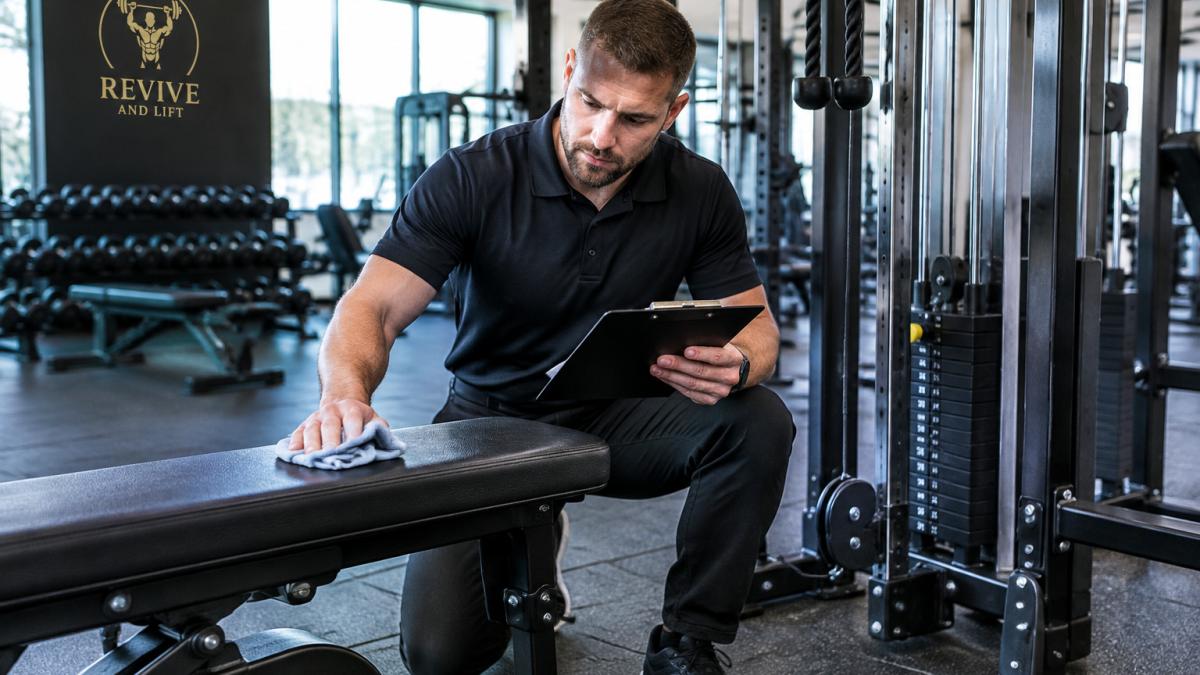
A facility technician inspecting equipment is a useful visual reminder that maintenance should be a scheduled task, not an afterthought.
Choosing Durable Equipment for Your Next Purchase
When you're ready to buy, use a simple evaluation process. Score each candidate on frame quality, material and finish, expected lifespan for your usage level, warranty coverage, parts availability, and maintenance requirements.
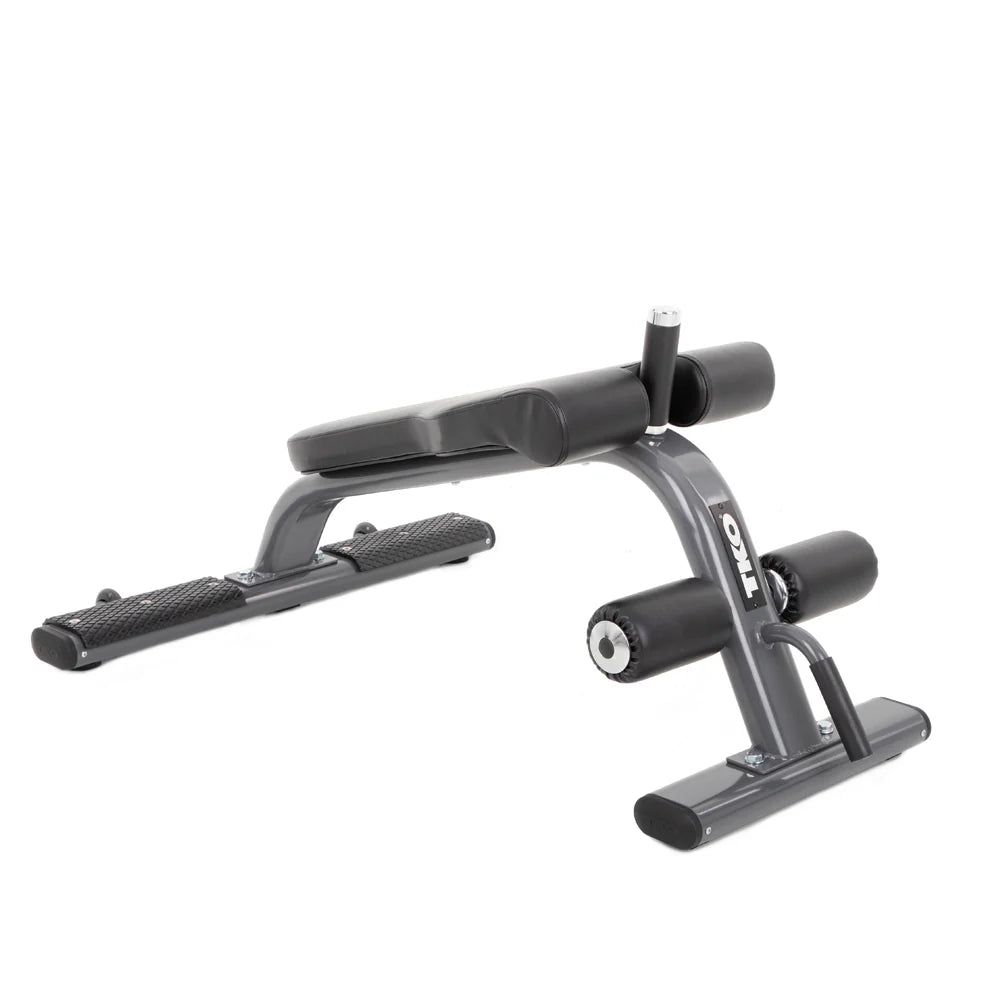
Match the equipment to your real traffic. For a heavy-duty strength option, consider the Defiant Strength DS1021 Pendulum Squat Machine, or review the 7 Essential Strength Equipment Picks for Boutique Gyms for curated options suited to smaller studios. The TKO 714HS Commercial Plate Loaded Hack Squat and TKO 864SB Commercial Sit Up Bench are also built for commercial use and are worth comparing against your intensity requirements.
Before you commit, ask for the warranty terms in writing, confirm delivery and assembly details, and plan a maintenance schedule from day one. Durable equipment is only as good as the care it receives, and a clear plan protects both your budget and the people training on your floor.
Frequently Asked Questions
What is the average lifespan of gym equipment?
Lifespan depends heavily on equipment type and how often it is used. Strength equipment with welded steel frames and sealed bearings typically holds up for many years in a commercial setting when inspected and maintained regularly. Cardio machines have more moving parts, motors and belts, so their service life is more sensitive to usage hours and upkeep. Track usage intensity, not just purchase date, when estimating how long a piece will last in your facility.
Which materials make commercial gym equipment more durable?
Frame steel gauge, weld quality, and corrosion-resistant coatings are the main factors. Heavier-gauge steel resists bending under repeated loading, and clean, continuous welds resist cracking at stress points. Powder-coated or chrome finishes protect against sweat and cleaning chemicals. Ask the manufacturer for frame material specifications and warranty terms before comparing models.
How often should commercial gym equipment be inspected and maintained?
A practical routine is a daily visual check for loose parts and wear, a weekly cleaning and inspection of cables, pulleys and upholstery, and a monthly review of bolts, pins and safety features. Log each inspection so you can spot patterns, such as a cable that frays faster on one machine. Replace worn components promptly and keep manufacturer-approved replacement parts on hand to limit downtime.
What should a facility check before buying used commercial gym equipment?
Inspect the frame for cracks, bends, or rust at welds, test every moving part through its full range, and check cables and pulleys for fraying. Confirm the model is still supported with replacement parts, and ask about prior usage and maintenance history. Used equipment from a reputable source with documented service records is usually a safer purchase than an unknown unit with no history.
Does a manufacturer warranty indicate how long equipment will last?
Not directly. A warranty shows what the manufacturer will cover and for how long, which signals confidence in the frame and components, but it does not guarantee a service life. Read what is excluded, such as commercial versus residential use, wear items, and finishes. Also check whether parts remain available after the warranty expires.
Is it worth paying more for commercial-grade equipment?
For high-traffic facilities, commercial-grade equipment often costs less over time because it resists wear, needs fewer repairs, and causes less downtime. Compare total cost of ownership, including expected replacement timing, maintenance, and parts, rather than only the purchase price. Revive and Lift can help commercial buyers plan purchases and request project quotes, and it offers financing options through Affirm and Shop Pay.
How does white glove installation affect equipment longevity?
Correct installation matters for equipment care. Revive and Lift offers white glove delivery and installation services for buyers who want assembly handled.


