

Quick Summary
To plan a small home gym, first measure the room's floor area, ceiling height, door swing, outlets, and wall construction before buying any equipment. Then sketch a scaled layout, match equipment to your main training goal, and buy in phases. Choose rubber flooring and space-saving pieces like wall-mounted racks.
- Measure floor, ceiling height, and door swing before ordering any equipment.
- Allow at least 12 inches of headroom above the tallest position of the bar or pull-up bar.
- A 7-foot Olympic bar needs roughly 8 feet of wall-to-wall space to load plates.
- Leave 2 to 3 feet of clear floor on sides you step back from.
- Buy in three phases: starter, upgrade, then complete.
Table of Contents
- Measure Your Space Before You Buy Anything
- Build a Home Gym Layout Planner on Paper First
- Define Your Training Goals to Set Your Equipment List
- What to Have in a Small Home Gym
- Small Home Gym Ideas on a Budget
- Choosing Home Gym Flooring That Protects Your Floor and Your Joints
- Book Your Setup: Choose Your First Pieces and Plan Delivery
- Frequently Asked Questions
How to Plan a Small Home Gym in 7 Steps
Last Updated: November 15, 2026
Measure Your Space Before You Buy Anything
Planning a small home gym starts with a tape measure, not a shopping cart.
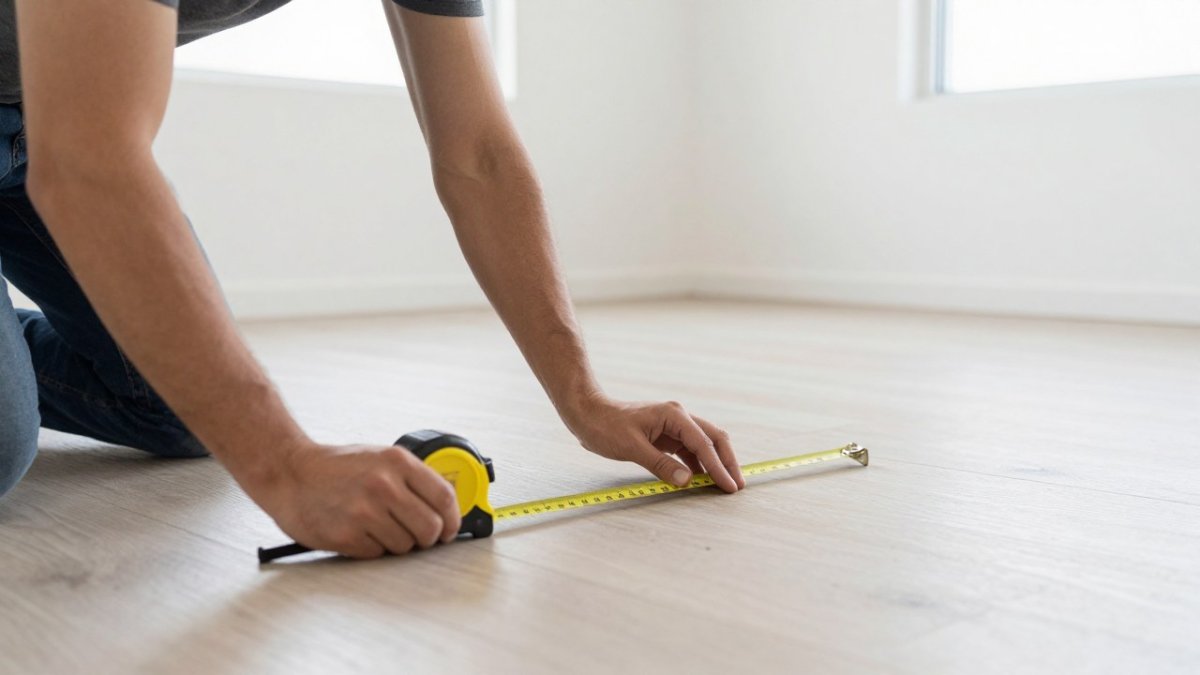
Start by measuring the length and width of the room. Then measure the height from floor to ceiling. Mark the corners and any doors, windows, outlets, and vents that will affect where equipment can go.
Check Ceiling Height, Clearance, and Load Limits
Ceiling height matters more than most people expect. A tall rack or a pull-up station needs room above the head to use safely. Add extra clearance so you can lift overhead without hitting the ceiling.
Use these working numbers as a starting checklist, then confirm against the product's own spec sheet:
- Overhead press and pull-up clearance: Most practitioners plan for at least 12 inches of headroom above the tallest position of the bar or the top of the pull-up bar. A standard ceiling is about 8 feet; a power rack is often 7 to 8 feet tall, so a low ceiling can rule out a full-height rack before you order.
- Bar and plate swing room: A 7-foot Olympic bar needs roughly 8 feet of wall-to-wall space to load plates on both sides without hitting a wall. A short 60-inch bar needs less, which is why compact bars suit tight rooms.
- Door swing: Measure the door and the arc it sweeps. A rack placed in that arc will block the exit and is a safety problem, not just an inconvenience.
- Walking clearance: Leave at least 2 to 3 feet of clear floor on the sides you step back from, and more behind a bench press station so you can spot and bail safely.
Check the floor as well. Some flooring can handle heavy weights, while thin carpet or subfloor may not. Look at the weight rating of any shelf, wall mount, or rack you plan to use, and make sure your wall or floor can support it.
Watch out: Never mount heavy equipment to drywall alone. Locate wall studs and confirm the mounting hardware matches the product instructions.
Map Doors, Outlets, and Overhead Obstructions
Walk the room with a notepad and record every fixed feature: door hinges and swing direction, window sills, electrical outlets, light fixtures, ceiling fans, heating vents, and any low soffits or beams. A ceiling fan or light fixture over a planned press station is a collision waiting to happen.
If the room is a garage, check the overhead door track and the clearance it needs when open. That track often rules out a tall rack in the center bay and pushes the rack to a side wall.
Record Wall Construction and Anchoring Points
Folding and wall-mounted racks depend on solid anchoring. Use a stud finder to mark stud spacing, and note whether walls are drywall over wood studs, masonry, or something else. Confirm the rack's mounting instructions match your wall type before purchase. If you rent, check whether wall anchoring is allowed and plan for a freestanding option if it is not.
Build a Home Gym Layout Planner on Paper First
A simple paper plan saves money and frustration. Draw your room to scale on graph paper, with one square equal to one foot. Then cut out small rectangles to represent each piece of equipment and move them around until the layout feels right.
Leave walking space around each station. You need room to step back from a bar, reach for weights, and move safely if something goes wrong. A good rule is to keep clear floor space on every side of the equipment you use most.
| Layout Element | What to Check | Why It Matters |
|---|---|---|
| Room walls and doors | Door swing and access | Equipment should not block exits |
| Ceiling height | Overhead clearance | Pull-ups and presses need room |
| Electrical outlets | Placement near workout zones | Helps avoid cord trips |
| Floor space | Walking room around equipment | Keeps training safe |
Define Your Training Goals to Set Your Equipment List
Your goals should decide your equipment, not the other way around. Someone focused on strength needs a rack, a bench, and a bar. Someone focused on conditioning may get more value from dumbbells, resistance bands, and a rowing-style machine.
Write down your top two or three goals. Then list the equipment that supports each one. Cut anything that does not match your plan.
- Strength: rack, bench, barbell, plates
- General fitness: dumbbells, kettlebells, resistance bands
- Conditioning: rowing machine, jump rope, battle ropes
- Mobility and recovery: mat, foam roller, stretching tools
Match Equipment to Your Primary Goal
The gap most setup guides leave is the link between a goal and a purchase order. Use this mapping to decide what earns floor space first:
- Strength first: A rack, adjustable bench, barbell, and plates form the core. In a small room, a folding wall-mount rack plus a short Olympic bar covers squats, presses, and pulls without a permanent footprint. Add plates in pairs as you get stronger rather than buying a full set up front.
- General fitness first: Adjustable dumbbells and a bench cover the widest range of movements per square foot. A set of neoprene dumbbells in graduated sizes handles lighter accessory work and is easy to store on a wall rack.
- Conditioning first: One compact cardio machine plus a jump rope and a mat is enough. Choose the machine you will actually use; a rower stores vertically, while a treadmill needs a permanent footprint and clearance behind it.
- Mobility and recovery first: A mat, foam roller, and stretching tools take almost no space and can live in a closet or against a wall.
Phase Your Purchases: Starter, Upgrade, Complete
Buy in phases so you are not guessing at what you need. A common pattern is three stages:
- Starter: the one or two pieces that support your top goal, plus flooring and storage. This is enough to train consistently while you learn what you actually use.
- Upgrade: add the second goal's equipment and fill gaps in your routine, such as a bench if you started with dumbbells or a bar if you started with a rack.
- Complete: add specialty pieces, extra plate pairs, and comfort items like better lighting or a fan once your routine is stable.
This phased approach also helps with total cost of ownership. Used racks, benches, and plates are sometimes available at lower cost than new, but inspect welds, hardware, and pad condition before buying.
Watch out: Do not buy a large machine for a goal you have not yet trained consistently. A piece that does not match your routine becomes expensive floor storage in a small room.
What to Have in a Small Home Gym
A small home gym works best when every piece earns its place. Focus on equipment that gives you the most training options for the least floor space.
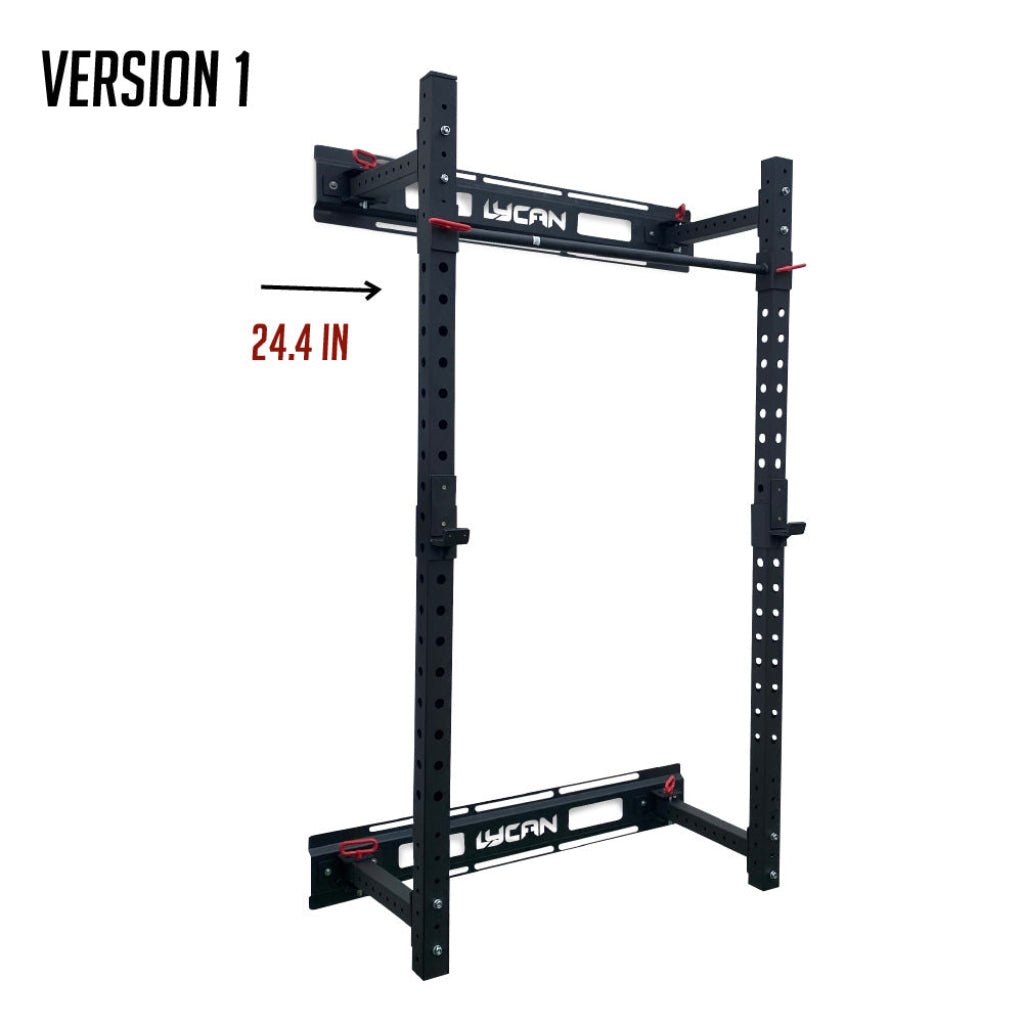
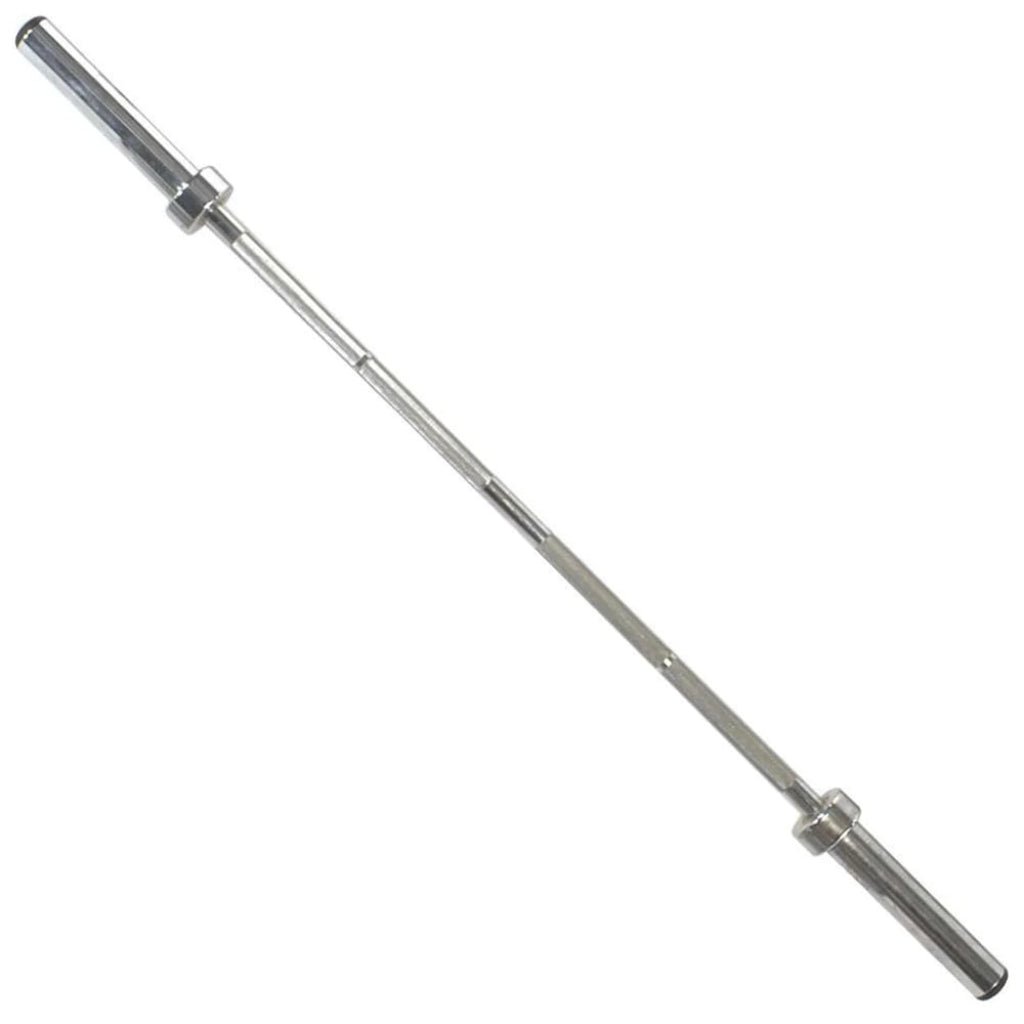
Revive and Lift carries options suited to tight rooms. The Lycan Fitness Foldable Wall Mount Power Rack folds flat against the wall when not in use, which frees up floor space. For barbell work, the Power Systems Short Olympic Bar is a 60-inch bar that holds up to 275 lbs. and suits compact setups.
Space-Saving Equipment Categories
Choose equipment in these categories to get the most from limited space:
- Wall-mounted or folding racks: store flat when not in use
- Compact bars: shorter Olympic bars fit smaller rooms
- Adjustable or rolling benches: move out of the way easily
- Light, stackable weights: free up floor space
- Wall storage: shelves and hooks keep the floor clear
Check the dimensions before you buy. A product that looks compact can still need a large footprint when in use.
Small Home Gym Ideas on a Budget
You do not need to spend big to build a useful space. Start with the basics and add pieces over time.
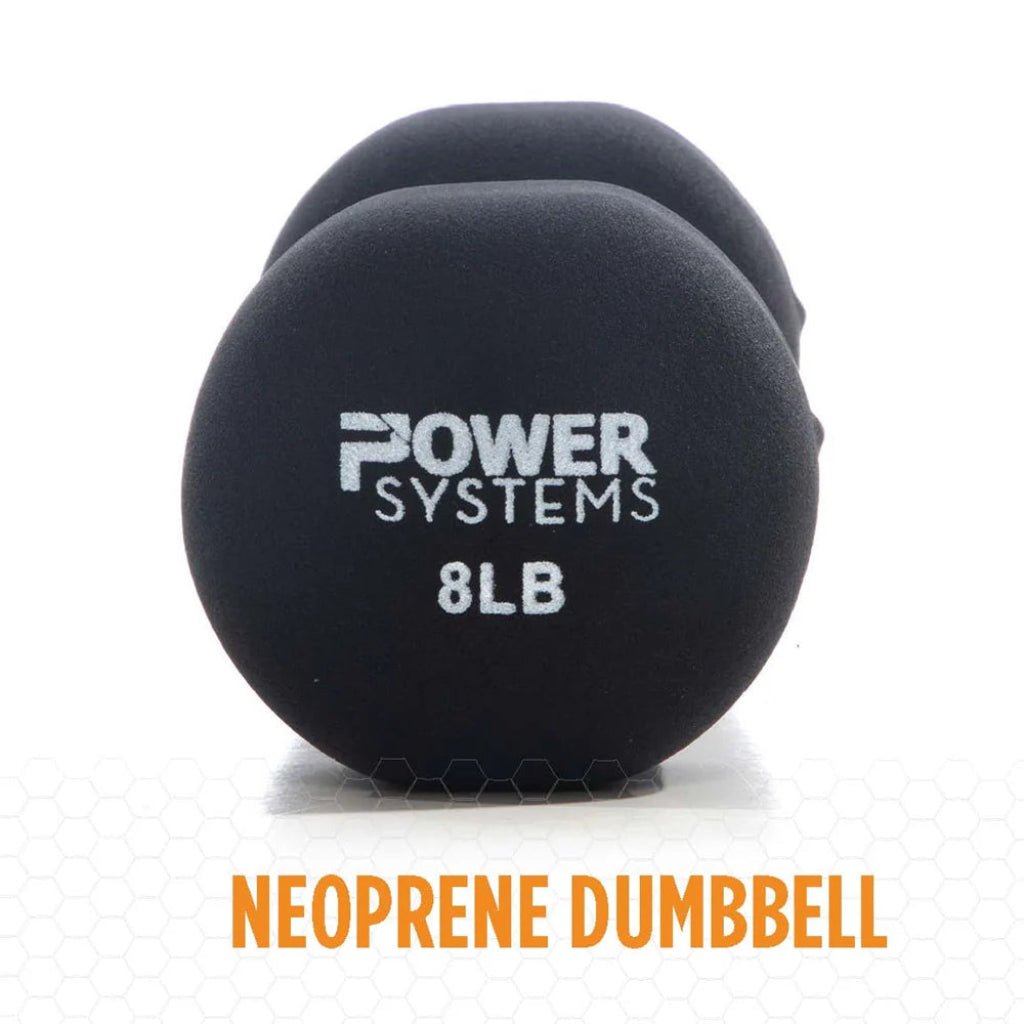
The Power Systems Premium Neoprene Dumbbells come in sizes from 1 lb to 15 lbs, sold in pairs, and the neoprene coating helps protect floors if a weight is dropped. For more layout ideas in a compact room, see our guide to small apartment workout space ideas.
Buy in phases. Start with the items you will use every week, then add larger pieces once your routine is set.
Choosing Home Gym Flooring That Protects Your Floor and Your Joints
Flooring is part of the plan. Rubber flooring absorbs impact, protects the floor underneath, and makes it easier to move equipment around. Thick rolled rubber is a common choice for home gyms because it covers large areas without seams.
Look for flooring thick enough to cushion dropped weights and steady enough for your equipment. Consider how the floor will look and feel after months of use. You can browse the 8mm Rolled Rubber Flooring from Ecore Fit if you want a flooring option sized for a home setup.
Book Your Setup: Choose Your First Pieces and Plan Delivery
Now that your measurements, layout, goals, and flooring plan are set, choose the first pieces for your gym. Start with the equipment that supports your top goal, then add the rest in order of priority.
Before you order, confirm delivery access. Check whether the items will fit through doors, hallways, and stairwells. Revive and Lift offers white glove delivery and assembly services.
Ready to start? Browse our full range of equipment and find the pieces that fit your space, your goals, and your budget. Shop Equipment at Revive and Lift today.
Frequently Asked Questions
What should I have in a small home gym?
A small home gym works best around a few multi-use pieces: a power rack or foldable wall-mounted rack, a short Olympic bar, a set of neoprene dumbbells, and a compact training bench. The Foldable Rack from Revive and Lift at $925.00 folds flat against the wall when you are not training, which frees floor space for mobility work. The Short Olympic Bar at $228.50 is 60 inches long and weighs 30 pounds, so it fits smaller rooms while still handling squats, presses, and deadlifts. Add resistance bands and a mat for warm-ups, and you have a complete setup for most strength routines.
How do I plan a home gym layout for a small space?
Start by measuring the room's length, width, and ceiling height, then sketch a scaled floor plan on graph paper. Mark doors, windows, outlets, and vents, and leave clearance around any lifting station so you can move freely and load plates safely. Place heavy equipment against the walls and keep the center open for movement. Before you commit, tape the footprint of each piece onto the floor to test how the room feels in use. Adjust until your workout flow is clear and nothing blocks an exit.
How can I set up a small home gym on a budget?
Prioritize a few versatile pieces before adding specialty equipment. A compact bench, a set of dumbbells, and a short bar cover most strength work at a fraction of the cost of a full commercial setup. Revive and Lift's Premium Neoprene Dumbbells start at $10.00, sold in pairs from 1 to 15 pounds. Buy in phases: start with the core pieces, then add storage and accessories as your training goals become clearer. Tracking the total cost of each phase helps you avoid overspending on equipment you will rarely use.
How do I choose flooring for a home gym?
Choose flooring that absorbs impact, protects the subfloor, and keeps dropped weights from damaging surfaces. Rubber or dense foam mats are common choices for lifting areas, while a thinner mat works better under cardio equipment. Check that the flooring can handle the load of your heaviest equipment, and confirm the weight limits of your floor before placing a rack or bench on upper levels. Leave a small border of clearance around each piece so you can access it safely.


